
Best MCP Servers to Use in 2026
A curated list of the best MCP servers in 2026, by task: browser tools, code tools, and content tools. Plus what to check before you connect one.
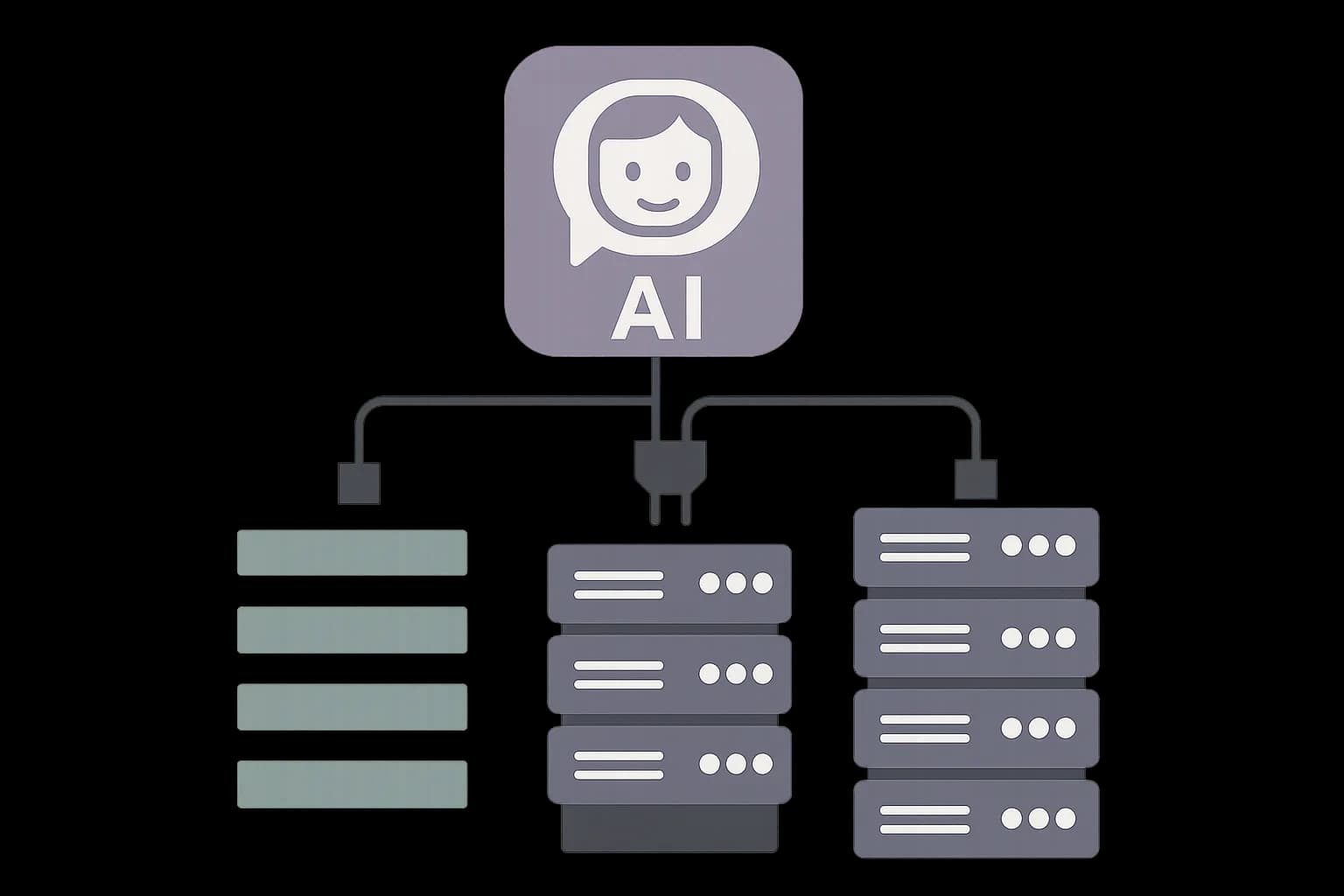
The best MCP servers in 2026 cluster around a few jobs. Browser automation, code search, filesystem access, and now content management. Playwright, GitHub, Context7, and Filesystem are the four most widely installed. That's per usage data tracked across major directories. Below is a working list, sorted by category. It's not a raw dump of the official MCP Registry's 9,600+ entries.
Why a curated list beats a directory search
The official MCP Registry is a shared feed. Anthropic, GitHub, PulseMCP, and Microsoft maintain it together. It's a canonical feed, not a polished catalog. It has no search UI, no categories, no ranking by quality. That's by design. It's there so other sites, like Glama, Smithery, and mcp.so, can pull from one shared source. No one has to run its own crawler.
Those other sites add the browsing layer on top. LobeHub lists over 56,000 servers. Glama adds quality signals. PulseMCP tracks weekly changes. None of that volume tells you which ten are worth using for one job. That's the point of a shorter list.
What "verified" actually means
Every server in the official Registry passes an owner check. Open source projects verify through GitHub OAuth or GitHub Actions OIDC tokens. Companies verify through DNS or HTTP domain proof instead. That confirms who put out a server. It says nothing about what the server does once it's connected.
This distinction matters more than most lists let on. A verified publisher can still ship a tool blurb with a hidden order inside its text. Researchers call this trick tool poisoning. The model reads tool descriptions as part of its context. A bad one can steer its behavior, with the user none the wiser. It checks who they are. It doesn't check what they built.
Before connecting any server, check three things. Who maintains it? What write access do its tools request? Can its token be scoped down to only what the task needs?
Browser automation and testing
Playwright MCP is the most installed server across major directories in 2026. It sits ahead of both GitHub and Figma servers by usage share. It wraps Playwright's browser automation API. An agent can navigate a page, click, fill a form, and read back the result. It's the default pick for QA and end-to-end tests, run by an agent, not a fixed script.
Code and repository tools
GitHub's official MCP server exposes issues, pull requests, code search, and repo metadata. It's the standard pick for an agent that reads or acts on a codebase hosted on GitHub. It ships from GitHub itself, not a third party.
Context7 solves a narrower, common problem: keeping a model's grasp of a library's API current. Training data can run a year old. This pulls live, version-matched docs for a given package on request instead.
Filesystem and local data
Filesystem MCP is one of seven tools still shipped in Anthropic's own sample repo. It's still marked active in 2026. It gives an agent scoped read and write access to a local folder tree. That's the base case most agent setups build on, before adding anything remote.
Content and CMS
Most public MCP servers in this category are read-only. They fetch docs, or search a knowledge base. Draftbase's own MCP server is a write-capable exception, built for agent-driven content work. It ships 26 tools covering templates, entries, media, and MDX parts. create_entry always lands in draft, and a separate call publishes it. That split exists for a reason. A content server needs an undo path a read-only tool never has to think about. See how to let an AI agent edit content in your CMS for that flow, start to finish.
Deployment and infrastructure
Cloud-provider MCP servers cover AWS, Cloudflare, and others like them. They deploy and check infrastructure right from an agent session. These carry the highest blast radius of any category here. A misconfigured token can let an agent modify production infrastructure, not just read a file. Keep these tokens tighter than any other server on this list.
What most lists leave out: install count isn't a safety signal
A directory ranked by installs measures fame, not trust. A server can rack up installs fast just by being first to cover a popular integration. That can happen long before anyone audits its code.
The MCP Registry confirms who published a server. It says nothing about what that server's tools actually do at runtime, and neither does an install counter. Treat both the way you'd treat an npm download count. A hint worth noting, never a stand-in for reading the code.
How to actually pick one
Start from the task at hand, not the directory. An agent debugging a failing browser test needs Playwright. Not a general-purpose scraper. An agent editing a content model needs a CMS server with schema-first tools and a draft state, first. A generic database connector bolted onto write access won't do.
Check three things on any candidate before connecting it. Does it have an active maintainer with a real update history? Are its tools scoped narrowly, so a compromised token can't reach more than it needs? And can you revoke its token without breaking something else? A server with one broad "admin" tool is a worse pick than one with ten narrow tools. Even if the narrow set takes longer to read.
Where this list gets stale fast
The ecosystem more than doubled its verified server count in one year. Any fixed list ages out within months. Treat category picks as more durable than any ranking by install count. Playwright for browser automation, GitHub for repo access. Usage share shifts every time a new client ships default integrations.
Try Draftbase's MCP server
If the job is content, not code or browsers, Draftbase's own server is built for it. Schema-aware tools. MDX-native content. A hard wall between draft and published. See how to build an MCP server for how it's made. Or start with what an MCP server actually is for the basics. Check pricing to connect it to your own content.
Ship content that's built to be found
Draftbase generates schema, structured data, and a fast MDX editor for every post.
Frequently asked questions
What is the most popular MCP server?
Playwright MCP, for browser automation. It leads major directories in install count in 2026, ahead of GitHub and Figma servers.
Where can I find a list of MCP servers?
Start with the official MCP Registry for a verified, canonical feed. For browsing by category and quality signal, use Glama, Smithery, or mcp.so.
Does the MCP Registry vet servers for security?
No. It only checks who put out a server, through GitHub OAuth or a domain check. It doesn't check what the server's tools actually do.
What is an awesome MCP server list?
A short set of servers, grouped by task, like browser automation or code search. Not a raw directory dump. Depth over volume is the point.
Is there an MCP server for content management?
Yes. Draftbase ships one with 26 tools for templates, entries, media, and MDX. New entries always land in draft. An agent can't publish by mistake.
Do Sanity and Contentful have their own MCP servers?
Yes. Sanity ships an official MCP server for querying and managing content via GROQ, and Contentful ships one too, both maintained by the vendor rather than a third party. If you're already on either platform, start there before reaching for a general-purpose CMS server.
Working with this hands-on? Draftbase also has a free mcp inspector.