API Call Example: What Is an API Call and How It Works
What is an API call? It's a request one program sends another over HTTP — see a call api example, plus methods, status codes, and rate limits.
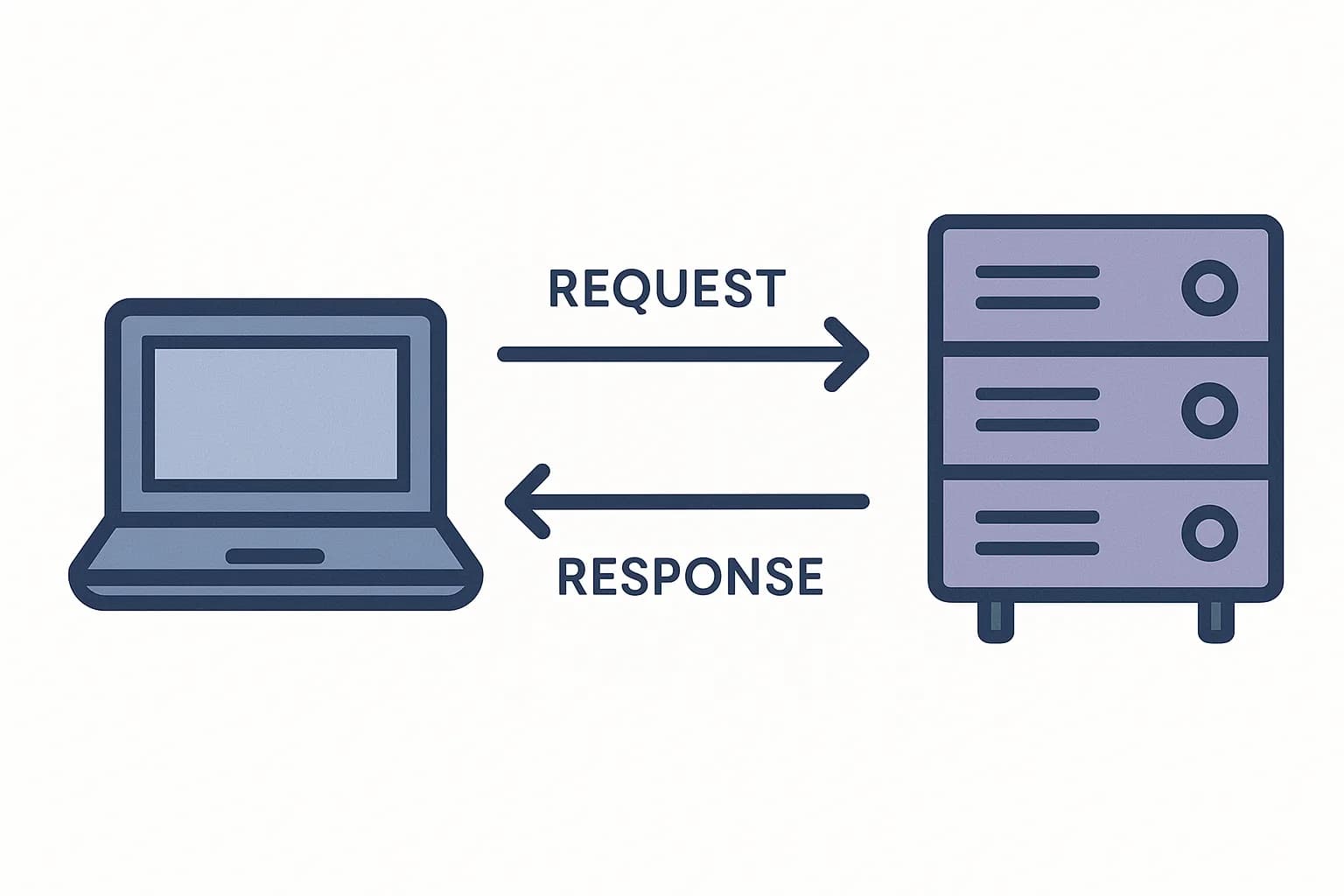
An API call is a request-response exchange: a client sends a request, a server sends back a reply, usually as JSON, over HTTP.
An API call is a request one program sends to another. You call it to request data, retrieve data already stored, or trigger an action on the server. The client sends the request. The server handles it and sends back a reply. (Postman)
Most apps you use today run on API calls. A weather app calls a weather service. A payment form calls a card processor. This blog runs on API calls too — Draftbase serves every post through its own delivery API.
What Is an API Call?
API stands for Application Programming Interface. The term dates to the 1940s. Early engineers built shared code libraries then. They wanted to avoid rewriting the same routines. (Wikipedia)
The modern web API era began around 2000. Roy Fielding's dissertation introduced REST that year. REST became the top style for web APIs. (Wikipedia)
An API call is one use of that interface. You don't call "the API" as one big thing. You call one endpoint. You use one method. You send specific data.
How an API Call Works
Every API call follows the same three steps. First, the client builds a request. Then the server handles it. Then the server sends a reply. (Postman)
The request has four parts. A method. A URL. Headers. And, often, a body. The method tells the server what to do. The URL tells it where. Headers carry extra data, like an auth token, and usually a Content-Type: application/json header so the server knows how to parse the body. The body carries the payload, if there is one.
The reply has three parts. A status code. Headers. And usually a body. The status code tells the client what happened. 200 means success. 404 means the resource wasn't found. The body carries the data, often as JSON.
Here's a real call to Draftbase's own delivery API:
curl "$DRAFTBASE_API_URL/delivery/entries?contentTypeId=blogPost" \
  -H "Authorization: Bearer $DRAFTBASE_DELIVERY_API_KEY"
The server sends back a JSON list of entries. Each entry has its fields already filled in. A reference field returns the linked entry itself, not just its id.
What Does an API Call Look Like Across Different Services?
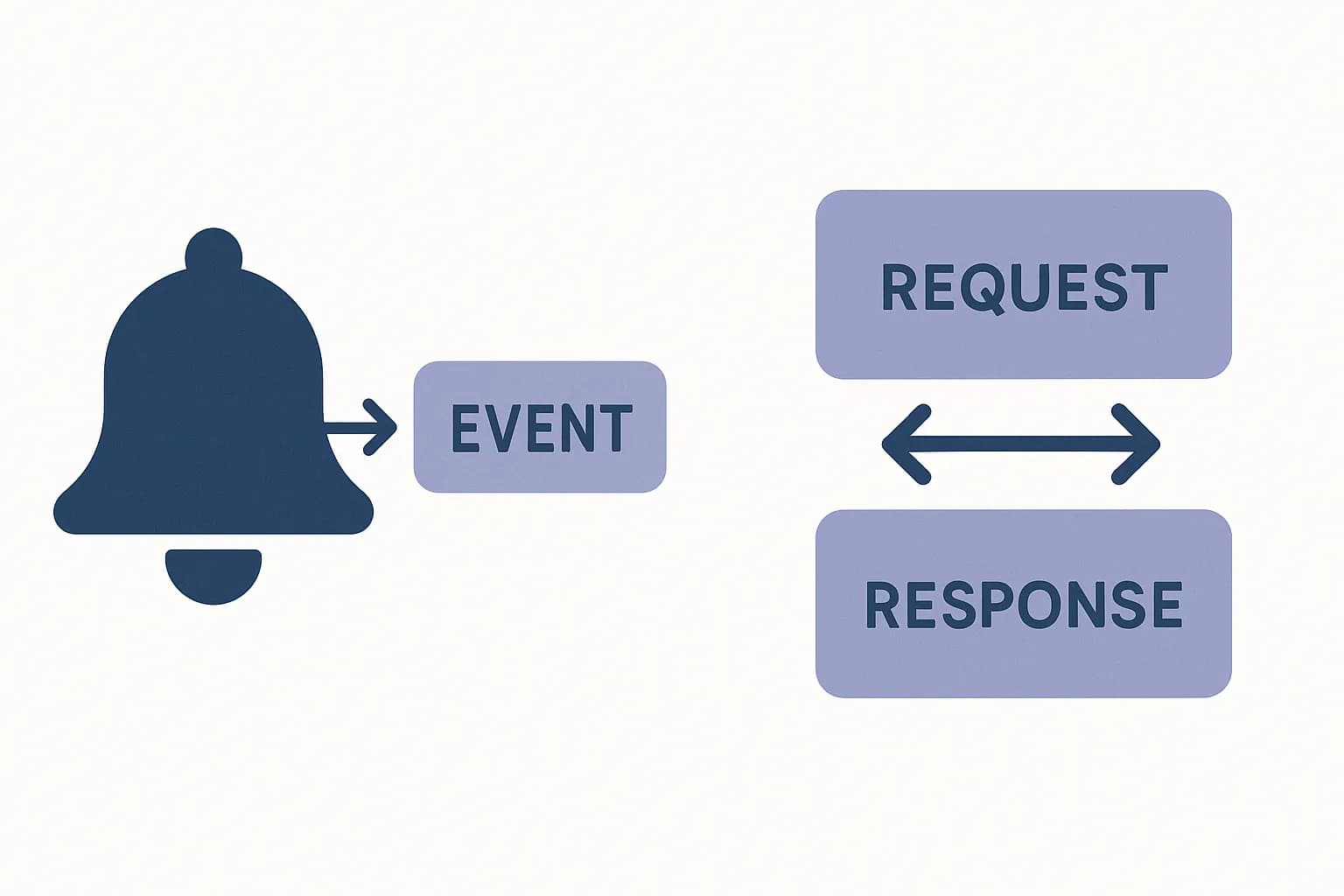
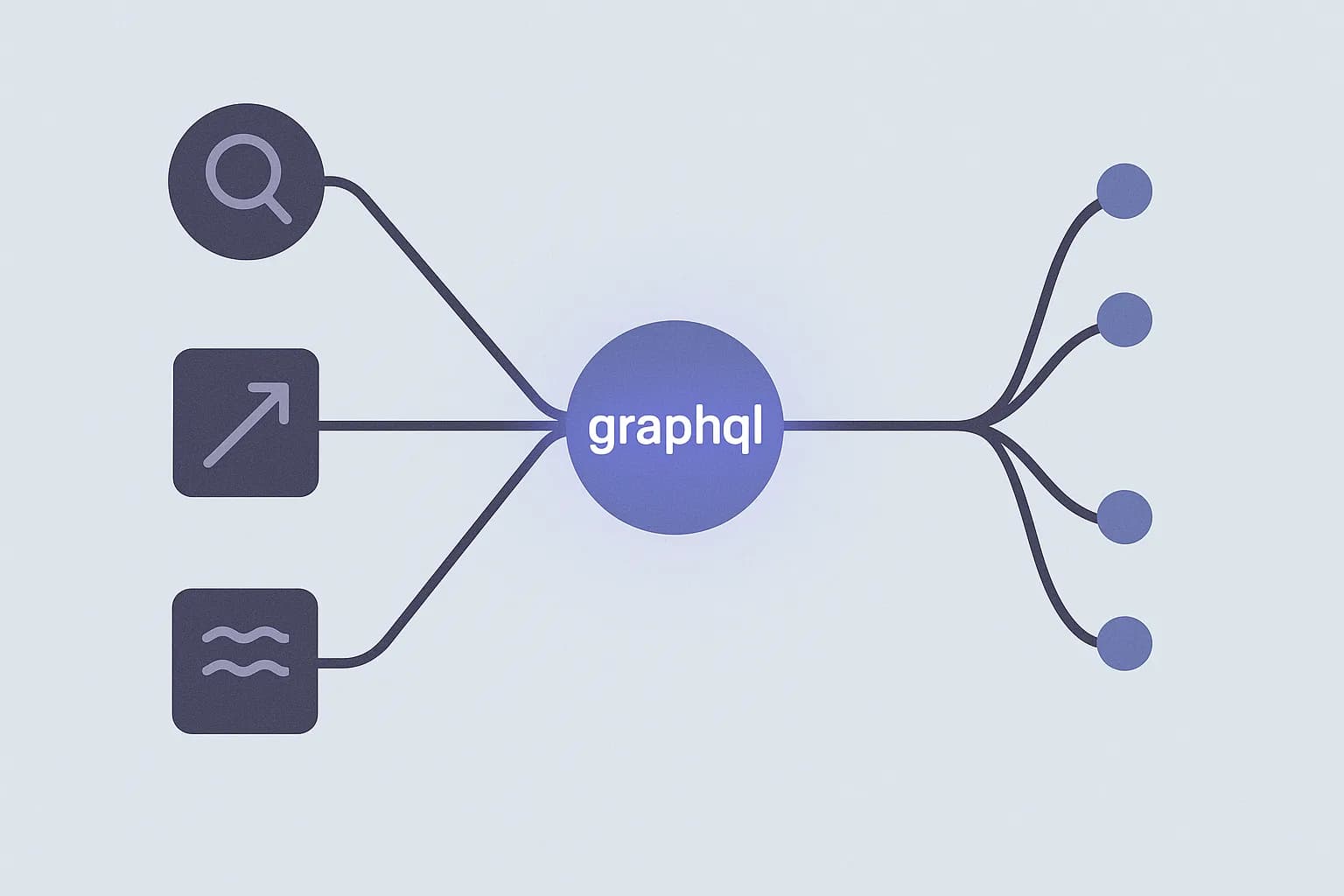
The shape barely changes across types of APIs — REST, GraphQL, or a webhook receiver — because all of them ride on the same HTTP requests underneath. What changes is the URL, the content types each service accepts, and what counts as success.
A weather service returns current conditions for a GET call. A payment API including a client secret in its response lets your frontend confirm the charge. A CMS delivery API, like Draftbase's, returns entry fields as JSON for a GET call, with reference fields already resolved instead of left as raw ids.
Common HTTP Methods and What They Do
Four methods cover most API calls. GET fetches data. It changes nothing. POST creates a new resource. PUT or PATCH updates one that exists. DELETE removes it. (Postman)
| Method | Purpose | Changes data? |
|---|---|---|
| GET | Retrieve a resource | No |
| POST | Create a resource | Yes |
| PUT/PATCH | Update a resource | Yes |
| DELETE | Remove a resource | Yes |
GET calls are safe to repeat. Call one once, or a hundred times. The result stays the same. POST calls usually aren't safe to repeat. Call POST /orders twice, and you'll likely create two orders.
How an API Call Proves Who's Asking
Most API calls need to prove who's asking. Without that, anyone could pull your data or trigger your actions.
The most common method is an API key. It's a long string sent in a header, like Authorization: Bearer sk_live_.... The server checks the key against its records before it does anything else.
Some APIs use OAuth instead. That's a longer flow. A user grants access once. The app gets a token back — often called an access token rather than an API key, though the idea is the same: a credential proving who's calling. The app sends that access token with each call after that. OAuth fits cases where the app acts on a user's behalf, not its own.
A key or a token that leaks is a real risk. Anyone who has it can call the API as you. Store keys in environment variables, not in client-side code, and rotate them if one ever gets exposed.
Rate Limits and Status Codes You'll Hit
Every public API caps how many calls a client can make. This stops one client from overloading the server. It also keeps API requests fair for everyone else. (Speakeasy)
When you go over the cap, the server should reply with 429 Too Many Requests. That code is newer than you'd think. It was added in 2012, in RFC 6585. (InventiveHQ)
Some older APIs reply with 503 Service Unavailable instead. That's the wrong code. 503 means the server itself is down. It doesn't mean one client went over its limit. Use 429 for that case. Save 503 for real outages.
Good APIs also add rate-limit headers to every reply. Win or lose, you get X-RateLimit-Limit, X-RateLimit-Remaining, and X-RateLimit-Reset. A client can read these and slow down on its own, before it gets blocked. (Speakeasy)
The Underused Angle: AI Agents Are Now Making the Calls
Most guides on this topic assume a person built the app that's calling. That assumption is fading fast.
Postman's 2025 State of the API Report asked over 5,700 developers about this. 89% said they use AI in their daily work now. Only 24% said they design their APIs for AI agents. (Postman)
That gap is a problem. An AI agent doesn't read your docs like a person does. It calls your API based on your schema shape and your field names. Over half of developers, 50.8%, named unwanted or excess API calls from AI agents as their top security worry. (Postman)
Your API may soon get called by agents as often as by browsers. Clear method rules and honest rate-limit headers stop being extras at that point. They become the contract an agent actually reads.
Conclusion
An API call is a simple exchange. A client asks. A server answers. The method picks the action. The status code reports the result. Rate limits keep the whole system fair under load.
That contract matters more now that AI agents call APIs too, not just people. A CMS's delivery API is no exception. See Draftbase pricing for API access, browse Draftbase's docs for endpoint reference, or check the Draftbase blog for more on content infrastructure.
Ship content that's built to be found
Draftbase generates schema, structured data, and a fast MDX editor for every post.
Frequently asked questions
What is an API call, in one sentence?
An API call is a request-response exchange. A client sends the request. A server sends back the reply, usually as JSON.
Does an API call always return JSON?
No. JSON is the most common format, but some APIs return XML, plain text, or binary data like images.
What does API stand for?
Application Programming Interface. It's a connection that lets two programs talk to each other.
What is a good HTTP status code range to expect?
Codes in the 200s mean success. Codes in the 400s mean the client made a mistake. Codes in the 500s mean the server failed.
Is 429 the only status code for rate limiting?
No. 429 Too Many Requests is the standard code, added in RFC 6585. Some older APIs use 503 instead, though that's meant for server outages, not client limits.
What are API calls, exactly?
Individual request-response exchanges between two programs. A page that loads a user profile, a cart, and a recommendation widget makes three separate API calls, one per piece of data.
What is an API call, more fully defined?
A message your application sends to an external service's API, asking it to perform an action or return data. The service processes the request and sends back a response, typically in JSON or XML format.
Samer is a software engineer and entrepreneur, founder of Draftbase and Ezi Home Services, building technology that simplifies home services. Passionate about software, APIs, automation, and creating products that solve real-world problems.